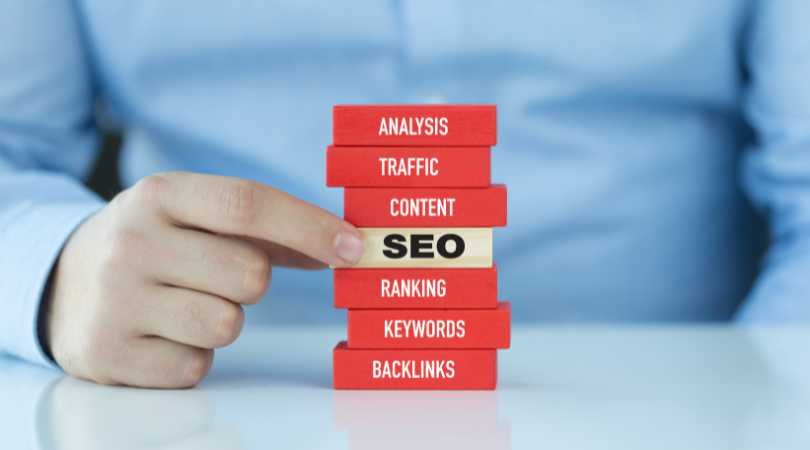
In today’s fast-paced digital landscape, the success of a business often hinges on one crucial factor: visibility. No matter how superior a product or service might be, if it isn’t discoverable online, it might as well not exist. This is where Search Engine Optimization (SEO) comes in. SEO has become an indispensable strategy for businesses of all sizes, helping them to not just survive but thrive in an increasingly competitive environment.
What is Search Engine Optimization (SEO)?

Search Engine Optimization (SEO) is the process of optimizing a website or online content so that it ranks higher on search engine results pages (SERPs), primarily focusing on Google, as it holds the largest market share. SEO involves making changes to your website content and design to make it more attractive to search engines, which in turn helps improve visibility for relevant searches. SEO is driven by various techniques such as keyword optimization, on-page and off-page optimization, link building, and user experience enhancements.
When a user types a query into a search engine, its algorithm evaluates various factors (e.g., relevance, authority, and user experience) to rank websites. Sites that are optimized for SEO have a much better chance of appearing on the first page of search results, driving more traffic to the site and increasing the likelihood of conversions.
The Components of SEO

SEO encompasses several important components:
- On-Page SEO: This involves optimizing elements directly on your website. This includes creating high-quality content with relevant keywords, optimizing meta descriptions, headings, images, and URLs, as well as ensuring fast load times and mobile responsiveness.
- Off-Page SEO: This focuses on factors that happen off your website but contribute to your ranking, like backlinks from reputable sites, social media presence, and influencer endorsements. Building a strong backlink profile tells search engines that your website is authoritative and trustworthy.
- Technical SEO: This deals with how well search engines can crawl and index your site. It includes site architecture, structured data, schema markup, and other elements that make it easier for search engines to understand the content of your website.
- Local SEO: For businesses that rely on local customers, optimizing for local search queries is essential. This involves ensuring your business appears in local search results, Google My Business listings, and local map searches.
- Content Optimization: Quality content is at the heart of any SEO strategy. The content must be informative, engaging, and, most importantly, relevant to the search intent of your target audience. Optimized content not only ranks higher but also builds trust and authority in the eyes of your audience.
Why SEO is Necessary for Business Survival

In the modern business environment, where almost every consumer journey starts with an online search, having a strong online presence is no longer optional—it’s critical for survival. Here’s why:
1. Increased Visibility and Traffic
Statistics show that around 75% of users never scroll past the first page of search results. If your business isn’t showing up there, you’re essentially invisible to potential customers. SEO ensures that your business appears when relevant searches are made. The higher your site ranks, the more traffic you’ll attract, leading to more opportunities to convert visitors into paying customers.
2. Cost-Effective Marketing Strategy
Compared to traditional forms of advertising like TV commercials, billboards, or even pay-per-click ads, SEO is relatively cost-effective. While it requires an initial investment of time and resources, the long-term benefits far outweigh the costs. Organic search traffic is essentially free once your website ranks well, and the return on investment (ROI) can be significant.
Moreover, SEO offers a better user experience and more sustainable results than paid ads. While paid ads stop showing once the budget runs out, a well-optimized page can continue to drive traffic for months or even years.
3. Builds Trust and Credibility
Consumers trust search engines like Google to provide them with accurate and relevant information. When your website appears at the top of search results, it automatically gains credibility in the eyes of potential customers. SEO not only helps with ranking but also improves the overall user experience by ensuring your website is fast, mobile-friendly, and easy to navigate.
High search rankings also convey authority. When a business consistently appears in top results for industry-specific keywords, it reinforces the perception that the business is a leader in its field.
4. Competitive Advantage
The digital marketplace is crowded, with countless businesses vying for the attention of the same audience. SEO can give you a significant competitive edge by helping your business stand out in this crowded field. Those who invest in SEO can consistently outcompete businesses that rely solely on traditional marketing strategies or poorly optimized online content.
Businesses that ignore SEO risk losing ground to competitors who prioritize it. If you’re not optimizing your site, someone else is, and they’re capturing your potential customers.
5. Improves User Experience
Search engines have evolved to focus more on providing the best possible experience for users. This means SEO and user experience (UX) go hand in hand. To rank well, websites must be easy to navigate, load quickly, and be mobile-responsive. By focusing on SEO, you’re also ensuring that your visitors have a better experience on your site, which leads to higher engagement, lower bounce rates, and ultimately more conversions.
6. Adaptability to Changing Consumer Behavior
Consumer behavior has dramatically shifted toward digital engagement. According to research, more than 80% of shoppers do some form of online research before making a purchase. SEO allows your business to be part of this decision-making process by being visible at every stage of the buyer’s journey. Whether customers are conducting early-stage research or ready to make a purchase, effective SEO ensures your business is present at the right time.
7. Local SEO Drives Offline Sales
For businesses with physical locations, local SEO is vital. Around 76% of people who search for something nearby on their smartphone visit a related business within a day, and 28% of those searches result in a purchase. By optimizing for local searches, businesses can attract foot traffic and generate more in-store purchases, further blurring the line between online and offline commerce.
The Future of SEO and Its Role in Business Survival

The importance of SEO will only increase as the digital landscape evolves. As voice search, artificial intelligence, and mobile-first indexing continue to grow in prominence, businesses must adapt their SEO strategies to stay relevant. The algorithms that determine search rankings are becoming smarter and more focused on providing users with the best content and experience.
Businesses that invest in SEO are not just playing the short game—they’re ensuring their long-term survival. The future will belong to businesses that can adapt to new technologies, stay ahead of SEO trends, and consistently deliver value to their online audience.
Conclusion

Search Engine Optimization is no longer just a marketing tactic—it is a necessity for business survival. In a world where consumers rely heavily on search engines to find products, services, and information, businesses must make SEO a top priority. By improving visibility, building credibility, enhancing user experience, and staying competitive, SEO ensures that your business can thrive in today’s digital marketplace.
Investing in SEO is investing in the future of your business. With a well-executed strategy, you not only increase your chances of survival but set yourself up for sustained success in the ever-evolving online world.